
Research & Development
Transforming healthcare through microbiome science, clinical research, and integrated therapeutic innovation.
The Unanswered Question
Modern healthcare faces complex challenges — from chronic gut disorders and liver diseases to neurological and respiratory conditions. Traditional approaches often treat symptoms in isolation, missing the deeper biological connections within the human body.
A New Scientific Perspective
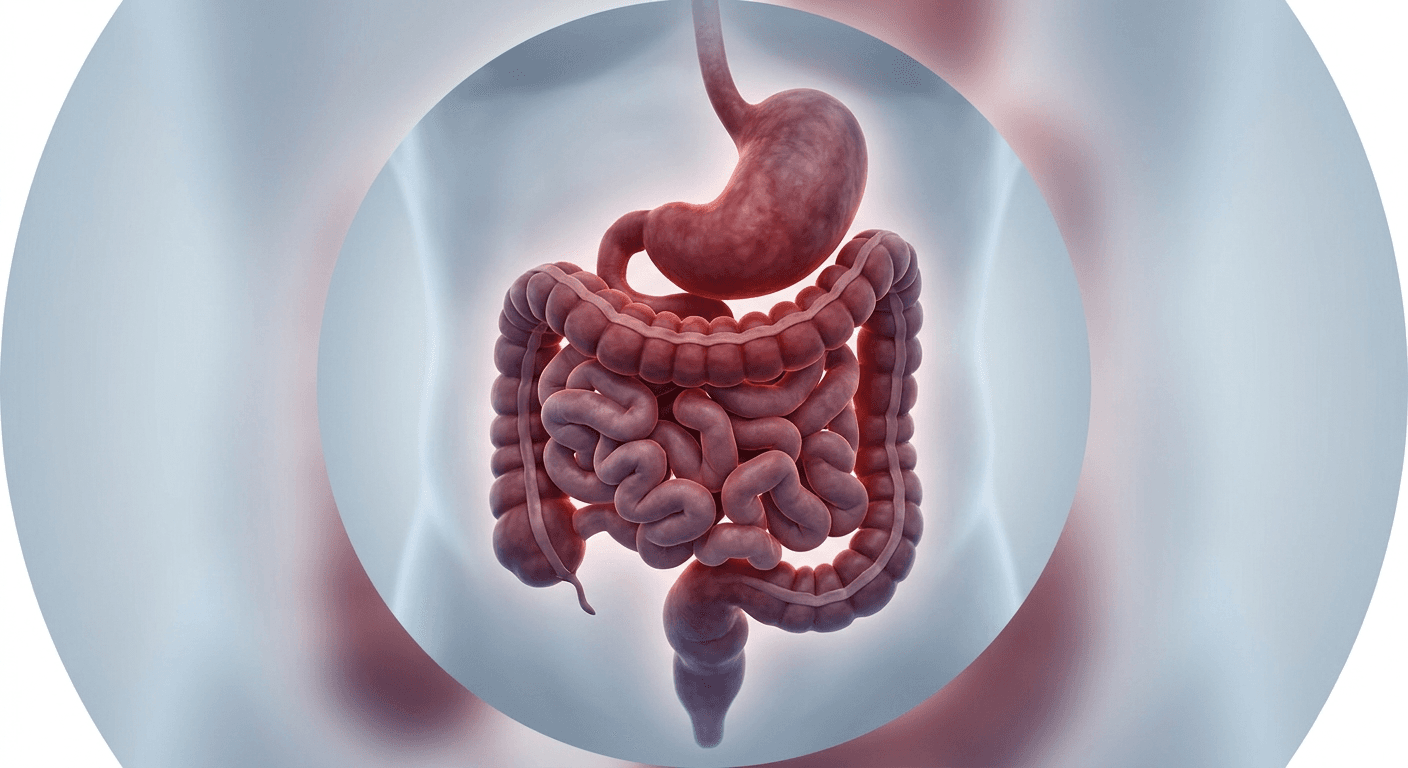
Our research is built on a fundamental principle: the human body is an interconnected system. The gut plays a central role in influencing brain function, immunity, and organ health.
The Architecture of Connection
Three pathways, one story. How the gut speaks to the rest of the body.
Gut–Brain Axis
Bidirectional communication influencing mood, cognition, and neurological health through neurotransmitters like serotonin.
70% of serotonin produced in gut
Gut–Airway Axis
Gut microbiota regulate immune responses affecting respiratory infections, allergies, and pulmonary conditions.
80% immune cells in gut-associated tissue
Gut–Liver Axis
Microbiome interactions impact liver detoxification, inflammation, and diseases like NAFLD, NASH, and fibrosis.
Portal vein carries 70% liver blood supply
Scientific Foundations
The gut microbiome produces neurotransmitters, regulates immune responses, and communicates through the vagus nerve and hormonal pathways. Disruptions in this balance can lead to inflammation, oxidative stress, and systemic diseases.
Research shows that stress, lifestyle, and microbial imbalance can impact mental health, liver function, and immune strength — making microbiome-focused therapies essential for modern medicine.
Gut-Brain Communication
Immune Modulation
Vagus Nerve
Microbial Diversity
Clinical Evidence & Outcomes
Clinical findings demonstrate that targeted synbiotic interventions significantly reduce inflammatory biomarkers such as CRP, interleukins, and TNF.
Reduction in systemic inflammation markers
Improved intestinal barrier function
Decreased allergy-related immune responses
Enhanced microbiome diversity
Lower incidence of antibiotic-associated diarrhea
Better treatment outcomes as adjunct therapy
Synbiotic Innovation Platform
Our proprietary synbiotic formulations combine multi-strain probiotics with targeted prebiotics to correct dysbiosis and enhance microbial resilience.
Advanced Microbial Engineering
Includes polyantibiotic-resistant strains ensuring effectiveness even during antibiotic therapy.
Multi-System Impact
Promotes bioactive metabolites with anti-inflammatory properties supporting gut, liver, and respiratory health.
Clinical Applications
Respiratory Disorders
Asthma, allergic rhinitis, and infections
Gastrointestinal Health
Diarrhea, dysbiosis, gut disorders
Liver Health
Inflammation, Fatty Liver, Fibrosis
Allergic Diseases
Reduced hypersensitivity reactions
Systemic Infections
Improved immune response
Adjunct Therapy
Enhanced treatment effectiveness
Advanced Nutritional Therapeutics
Brain Health
Improves cognition and memory
Respiratory & Migraine
Supports asthma & reduces migraines
Energy Function
Boosts mitochondrial efficiency
The Future of Integrated Healthcare
We continue to push the boundaries of science — developing therapies that treat not just diseases, but interconnected biological systems.
© 2025 — The Science of Connection. Advancing healthcare through innovation.